
SL-28 & SL-34
Varietals of Bourbon that were selected by Scott Laboratories (hence SL) in Kenya during the colonial years.
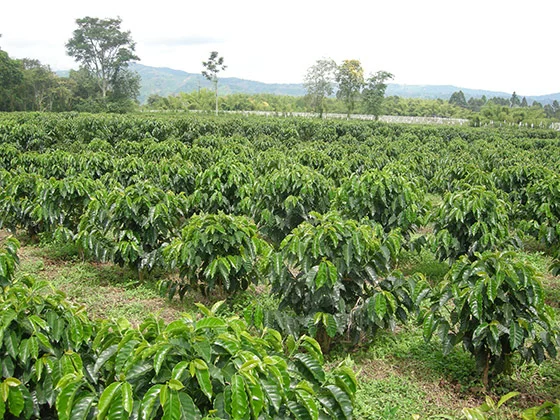
Coffee was first grown in Kenya by Roman Catholic Fathers at St Austin’s near Nairobi in 1889. From then on it has proved to be quite popular and has over the years formed a major export commodity of Kenya. The species grown are Arabica and Robusta. The Arabica is a high quality, mild coffee much favoured for blending. The two coffee species are grown mainly by small scale farmers in the following regions:
Kenyan beans are graded by bean size
and density. Larger size is generally associated
with more flavor & aroma. AA is the highest graded
coffee in Kenya and offers better cup clarity,
AB offers more complexity in taste balance.
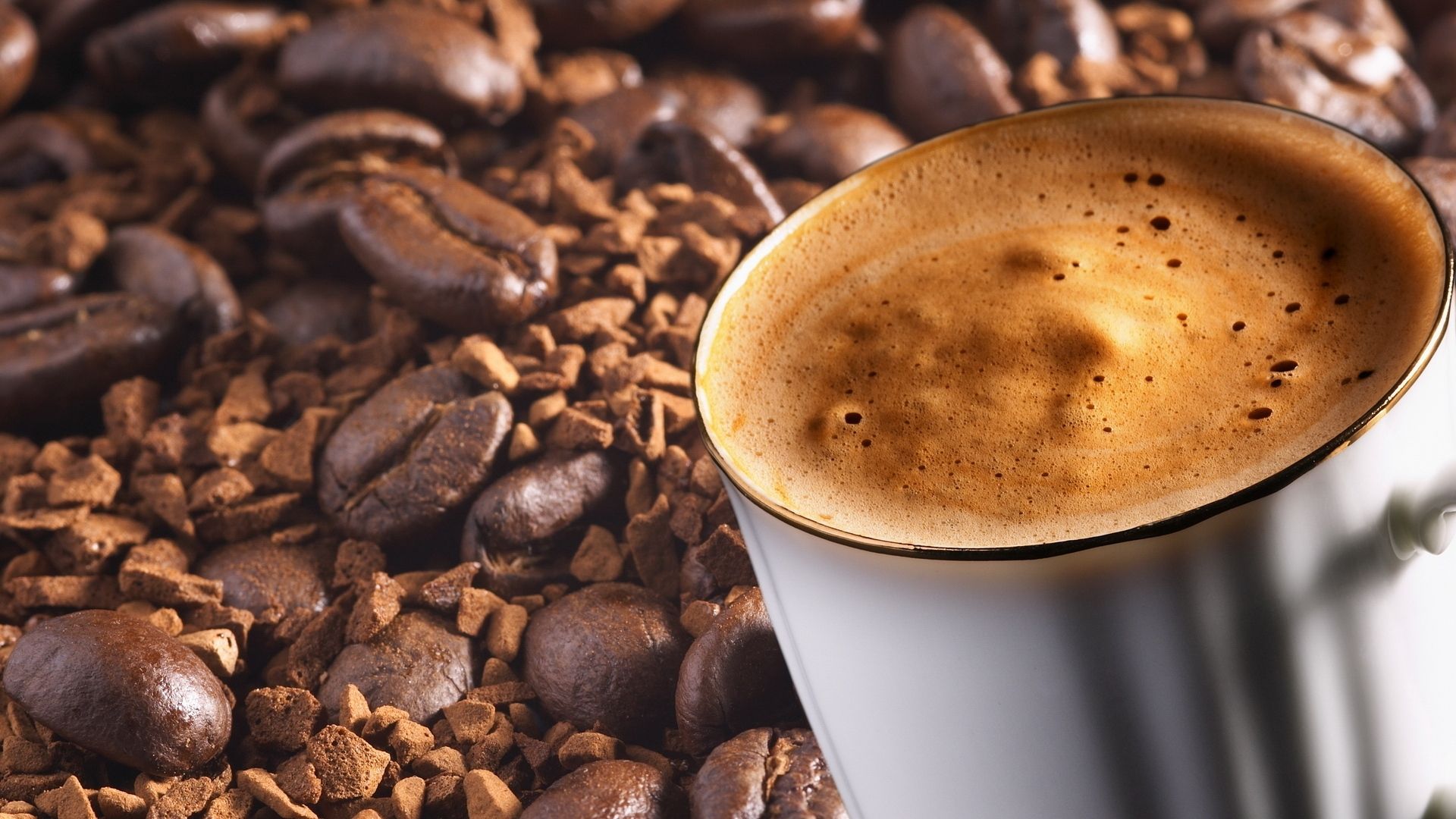
Kenya is the leading producer of Arabica coffee in Africa. Below conditions favour its production in the country:
Varietals of Bourbon that were selected by Scott Laboratories (hence SL) in Kenya during the colonial years.
Known for it’s sweetness, blackcurrant-like acidity & high complexity. Great cup quality, some of the most treasured cups.
Image unavailable in the original archiveSL-34 is grown in middle altitudes. Better yield than SL-28.
Image unavailable in the original archiveRuiru 11 is named after the Coffee Research Foundation station in Ruiru, Kenya, where it was developed in the 1970s.This composite variety was created through an intensive Arabica-Robusta hybrid breeding program involving Rume Sudan, Timor Hybrid lines, K7, N39, SL-28, SL-34, Bourbon, and Catimor lines, among others.Developed as a response to the coffee berry disease crisis in 1968 that led to loss of half of Kenya’s coffee production, Ruiru 11 is high yielding, and hardy variety. Its compact stature allows Ruiru 11 to be planted at a density of 2500 – 3300 trees per hectare, compared to the typical planting density of 1300 trees per hectare. It also has an added benefit of producing coffee cherries earlier in the season.
Image unavailable in the original archiveA typical cup of Ruiru 11 has many qualities of a good Kenyan coffee, including citric juicy acidity and good body.
| Grade | Type | Screen | Description |
|---|---|---|---|
| C | Kenya C | medium Screens: 14 and 15 | The size of the bean is even smaller and further reduces the chemical compounds and ultimately the flavor intensity |
| PB | Peaberry | medium Screen 16 | These are round beans which usually grow in a single cherry bean. |
| TT | Light Beans | medium Screen 15 & 18 | TT is smaller still, made from the smaller beans removed from lots of the more illustrious grades |
| AA | Kenya AA | large Screens: 17 and 18 > 7.2 mm | These are the most popular and sought coffees because of their shape, body, acidity and flavour. |
| AB | Kenya AB | large Screens: 15 and 16 = 6.6 mm | A combination of A (Screen 16/6.8mm) and B (Screen 15/6.2mm) sized beans. |
| E | Elephant | very large Screen 20 | This is the largest of all grades in size and has been named Elephant grade in the grading. Usually there are two seeds joining together to form the seed in a single cherry. This is the source of ears when the seeds part during handling. They are fragile that they break into smaller pieces during sorting and roasting |
| ML | Mbuni Light | small Screen 12 & 15 | These are the thinnest and smallest beans, that are mostly composed of bits and pieces of broken beans from the main grades. |
| T | Small Light beans | small Screen 10 & 14 | These are the thinnest and smallest beans, that are mostly composed of bits and pieces of broken beans from the main grades. |
| MH | Mbuni Heavy | Screen 15 & 17 | Natural processed coffees. large in size |